Automated Delivery Vehicles to Hit Toronto Streets in Safety-Focused Pilot Program

Ontario’s Ministry of Transportation (MTO) announced Friday that new automated delivery vans will begin operating in select Toronto neighborhoods this summer as part of its decade-old Automated Vehicle Pilot Program. The initiative, set to launch in July 2025, aims to test low-speed, driverless technology on public roads under strict safety guidelines.
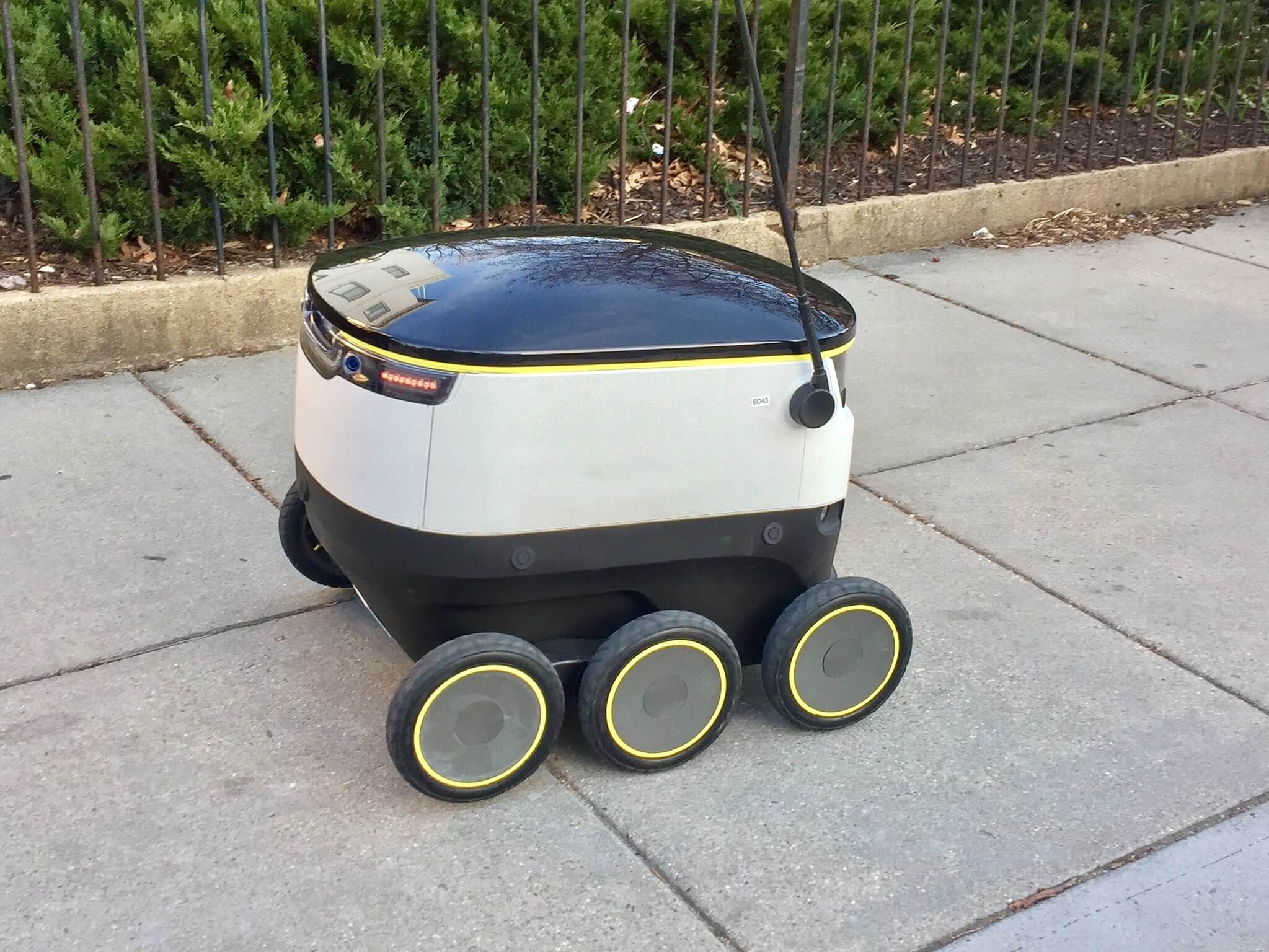
Participating electric vans, developed by a consortium of technology firms and automakers, will travel at a maximum of 32 km/h, avoid left turns, and carry a remote operator ready to take control if needed, MTO spokesperson Lisa Moreno said. Equipped with sensors, cameras, and radar systems, each vehicle will deliver small parcels, such as groceries and medical supplies from local fulfillment centers to doorsteps.
Under Ontario’s AV regulations, updated in 2019, all test vehicles must display a “driverless automated vehicle” sign, maintain cybersecurity safeguards, and hold at least $5 million in liability insurance. Companies must submit annual reports detailing distances traveled, any system disengagements, and collisions. If a vehicle does not meet federal safety standards, it must secure a Transport Canada exemption and inform local municipalities of its route and “first responders’ interaction” plan.
Industry and Community Reactions
Delivery firms involved in the pilot predict significant environmental and cost benefits. “Our current fleet emits roughly 25 tonnes of CO₂ annually in Toronto,” said Michelle Lawrence, vice-president of QuickDrop Logistics. “Switching to self-driving electric vans could reduce emissions by 80 percent and lower last-mile costs by about 15 percent over two years.”
However, some residents worry about safety in busy areas. “I support the technology, but I’m concerned about how these vans handle narrow streets during peak hours,” said Amara Singh, owner of a café in Leslieville. To address this, the MTO mandates that vans avoid high-traffic periods—7–9 a.m. and 4–6 p.m.—in certain neighborhoods, and only operate on routes pre-approved with input from local councils and community groups.
Technical and Regulatory Oversight
Automated delivery vans operate at SAE Levels 3 to 5, meaning they can drive under defined conditions but require human intervention in complex scenarios. Dr. Arjun Patel, a transportation researcher at the University of Toronto, emphasized the importance of conservative speed and routing rules. “The two-times-per-year evaluations with the MTO are crucial for assessing real-world performance,” he said. The MTO may halt testing if vehicles exhibit frequent disengagements or are involved in incidents.
Vendors must also share detailed cybersecurity plans. “If communications are lost, the vehicle will safely pull over and shut down,” explained Enrique Rodriguez, chief engineer at AutoNav Technologies.
Background and Future Outlook
Ontario launched its AV Pilot Program in 2016, initially requiring a driver at all times. The 2019 regulatory update allowed driverless testing under controlled conditions. To date, AVs have logged over 250,000 km across urban, suburban, and highway environments. “Our goal is to use collected data to shape policies that balance innovation with public well-being,” Moreno said.
Interim results will be reviewed by Toronto’s Infrastructure and Environment Committee next spring, with a final evaluation slated for late 2026. If safety records and cost metrics prove favorable, the program may expand to other Ontario municipalities in 2026 and beyond. Officials are also considering automated vehicles for meter-maid duties, public works patrols, and waste collection.
As summer approaches, residents in pilot zones such as East York, York Mills, and parts of Etobicoke may spot boxy vans labeled “Driverless Automated Vehicle in Testing.” The MTO advises pedestrians and cyclists to remain vigilant and avoid interacting with the vehicles. “These are sophisticated systems operating under narrow conditions,” Dr. Patel cautioned. “Mutual awareness and caution are essential for everyone’s safety.”

